Year-end can sneak up fast. Many small business owners scramble to pull receipts together, balance their books, and file last-minute tax returns, often missing out on major savings. With a bit of smart planning and the right tax advisory support, you can turn that chaos into clarity and keep thousands in your pocket before December 31 rolls around.
Here’s how to make sure you’re not handing the CRA more than necessary.

Why Year-End Tax Planning Matters More Than You Think
Most small business owners think of taxes as a once-a-year problem. But by the time you hand your records to your accountant, it’s often too late to make meaningful changes. That’s where a tax adviser steps in.
Year-end tax planning helps you:
- Identify missed deductions
- Defer income strategically
- Optimize expenses
- Stay compliant with CRA rules
- Improve your financial position for next year
Think of it like pre-flight checks before launch. A little preparation ensures a smooth takeoff, and prevents last-minute turbulence.
Step 1: Get Your Books in Order
Before you can plan for tax savings, your numbers must be accurate. That means ensuring every transaction, invoice, and payment is properly recorded. Disorganized books can lead to overstated income, missed deductions, and higher taxes.
If you’re behind, this is the time to catch up with professional Bookkeeping Services. A clean, reconciled set of books gives your accountant the data needed to find savings and identify red flags early.
Tip: Use reliable accounting software like Xero or QuickBooks to automate transactions and reduce human error.
Step 2: Review Your Financial Reports
Accurate reports aren’t just for your bank—they’re for your strategy. Having your Compiled Financial Statements ready gives your tax adviser a clear picture of your profitability, assets, and liabilities.
These statements help determine where to reinvest, what to write off, and how to adjust before year-end. For example:
- Is your revenue higher than expected? Consider advancing deductible expenses.
- Are you carrying old equipment? You may be able to claim depreciation.
- Do you have unpaid invoices? Recognize only what’s been earned, not what’s owed.
At Rocket Accounting, we help clients interpret these numbers in plain English, so they know exactly what to act on before it’s too late.
Step 3: Maximize Your Deductions
Here’s where most small business owners miss the mark. Even with great bookkeeping, many don’t know what qualifies as a deductible expense.
A proactive taxation expert helps you uncover deductions you might have overlooked, such as:
- Home office or workspace costs
- Vehicle expenses
- Professional development or courses
- Software subscriptions
- Advertising and marketing costs
- Wages or bonuses paid before year-end
Each deduction reduces your taxable income. Claiming them strategically could save you $5,000 or more, especially if your revenue sits in the $500K–$1M range.
Step 4: Time Your Income and Expenses
Timing can make a big difference. If you expect to earn more next year, you might defer some income to the new year to reduce this year’s tax burden.
Alternatively, if you had a slow year, it could make sense to accelerate revenue recognition to use up any unused deductions or credits.
A professional tax adviser can help balance these moves within CRA rules to ensure compliance.
Example:
If your fiscal year ends December 31, paying staff bonuses or prepaying rent in December (instead of January) can reduce your current year’s taxable income while still benefiting next year’s operations.
Step 5: Check Your Payroll and Owner Draws
One of the most overlooked areas is how you pay yourself. Whether through salary, dividends, or a mix of both, each method affects your personal and corporate taxes differently.
An experienced CPA will review your structure and suggest adjustments to minimize combined tax exposure. This step alone can save thousands.
If your payroll hasn’t been reviewed recently, or if you’ve added staff during the year, ensure everything aligns with CRA requirements. Late or incorrect remittances can trigger penalties that erase potential savings.
Step 6: Don’t Forget About Capital Purchases
Planning a big equipment or vehicle purchase? The timing can make or break your deduction.
The CRA allows you to claim Capital Cost Allowance (CCA) on depreciable assets. If you buy and start using an asset before year-end, you can claim half the year’s depreciation immediately. Waiting until January means waiting another full year to claim it.
If you’re unsure which purchases qualify, your tax adviser can guide you through what makes sense to buy now versus next year.
Step 7: Claim All Available Tax Credits
There are numerous federal and provincial credits available to small businesses, but many go unclaimed. Depending on your industry, you might qualify for:
- The Scientific Research and Experimental Development (SR&ED) Credit
- Apprenticeship Job Creation Tax Credit
- Investment Tax Credit for clean energy or digital adoption
- BC Small Business Venture Capital Tax Credit
Working with a taxation expert ensures you identify and document eligibility properly. Even a single credit could save you several thousand dollars.
Step 8: File on Time and Avoid Penalties
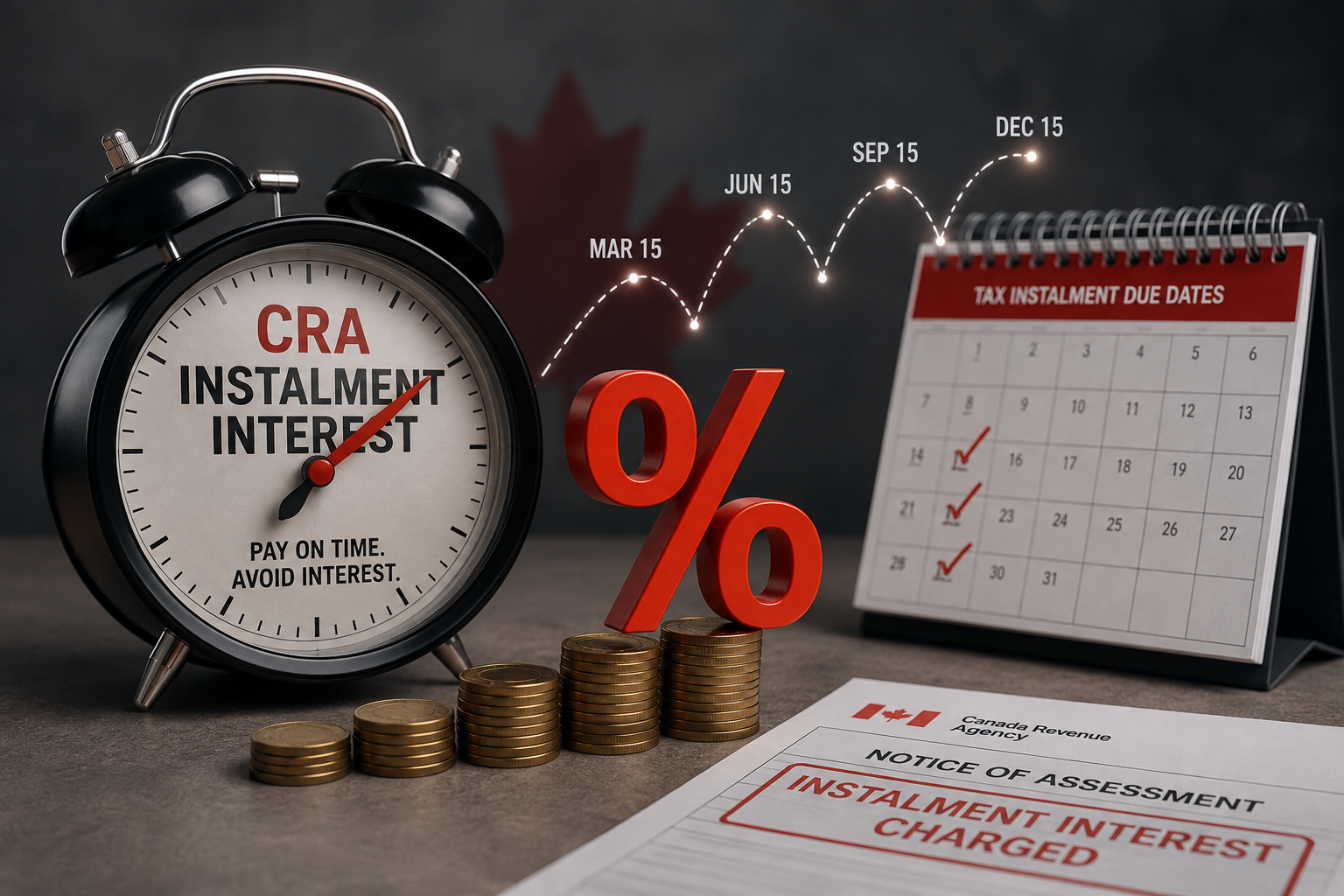
A major reason small businesses lose money is simply missing deadlines. Late filings lead to costly interest and penalties, sometimes more than the savings they worked so hard to achieve.
That’s why Rocket Accounting has a simple promise: “If we miss your deadlines, we pay your fines.”
To stay compliant, ensure your T2 Corporate Tax Services are filed accurately and on time. This includes returns, GST/HST filings, and payroll remittances. Setting calendar reminders or using client portals like Financial Cents can help automate this process.
Step 9: Meet with Your CPA Before Year-End
A short conversation now could save you hours of frustration later. Schedule a review meeting with your accountant before December 31. Bring:
- Your most recent financial statements
- Details of planned purchases
- Payroll reports
- Any expected bonuses or dividends
This allows your accountant to review your numbers while there’s still time to adjust. A proactive CPA will help you spot hidden savings and ensure you’re using every legal advantage available.
If you don’t already have one, consider partnering with a team that provides full CPA Services year-round, not just during tax season.
Step 10: Think Long-Term, Not Just Year-End
Year-end tax planning is important, but your strategy shouldn’t stop there. A strong plan looks ahead to next year’s cash flow, structure, and growth.
Work with your accountant to review:
- Incorporation structure (Is your business still set up the right way?)
- Retirement contributions (RRSP, CPP)
- Dividend vs. salary mix
- Future deductions you can plan for now
When you combine Small Business Accounting with proactive tax planning, you’ll not only save money this year but also build a more efficient business for the years ahead.
When to Call in a Tax Adviser
A good adviser plans ahead, explains your numbers clearly, and helps you make confident financial decisions.
If you answer “yes” to any of these, it’s time to call in a professional:
- You’re unsure what deductions apply to your business
- You haven’t reviewed your payroll or draws in the last 12 months
- You use multiple accounts or software tools without reconciliation
- You’ve recently expanded, hired staff, or changed business models
That’s exactly what we do at Rocket Accounting, where proactive advice and fixed pricing keep your finances on track year-round.
How Much Can You Really Save?
Every business is different, but these examples show what’s possible:
| Strategy | Potential Savings |
| Prepaying deductible expenses | $1,000 – $2,000 |
| Adjusting owner compensation | $2,000 – $4,000 |
| Claiming missed deductions | $1,000+ |
| Applying for credits | $2,000+ |
That’s easily $5,000–$10,000 in legitimate savings with proper guidance and timely action.
Final Checklist Before December 31
- Reconcile all bank accounts and credit cards
- Review accounts receivable and payable
- Verify all expense receipts and mileage logs
- Plan or execute key purchases
- Confirm payroll and bonuses
- Schedule a meeting with your accountant
- File or prepare Compiled Financial Statements
- Review and adjust tax strategy for next year
Even if you’re short on time, focusing on these steps can make a real financial difference.
Ready to Save $5K+?
The clock is ticking, but there’s still time to make smart moves that protect your profits. Whether you need help catching up on bookkeeping, organizing year-end reports, or reviewing your tax strategy, our team can help.
Book A Call today to review your year-end numbers and discover where you could save.
If you prefer to reach out directly, feel free to Contact Us and one of our CPAs will get back to you quickly.
You’ve worked hard all year. Don’t let poor planning hand your savings to the CRA.
FAQs
What does a tax adviser actually do for small businesses?
A tax adviser helps small business owners plan ahead to reduce taxes legally. They review your books, identify missed deductions, optimize income timing, and ensure you stay compliant with CRA rules.
When should I start year-end tax planning?
Ideally, you should start in October or early November. This gives your accountant time to review your numbers and make adjustments before December 31, when most opportunities for savings close.
Can I really save $5,000 or more through tax advisory?
Yes! By claiming missed deductions, adjusting owner compensation, and timing purchases or expenses correctly, many small businesses save $5,000–$10,000 each year through proactive planning.
What’s the difference between a CPA and a tax adviser?
A CPA can be your tax adviser, but not all advisers are CPAs. A CPA provides certified accounting and tax expertise, ensuring both compliance and strategic advice for long-term growth.
How do I know if my business needs professional tax advisory help?
If you’ve had changes in revenue, added staff, or aren’t confident in your current bookkeeping, it’s time to speak to a professional. A Book A Call with a CPA is the best first step to find hidden savings and plan ahead effectively.